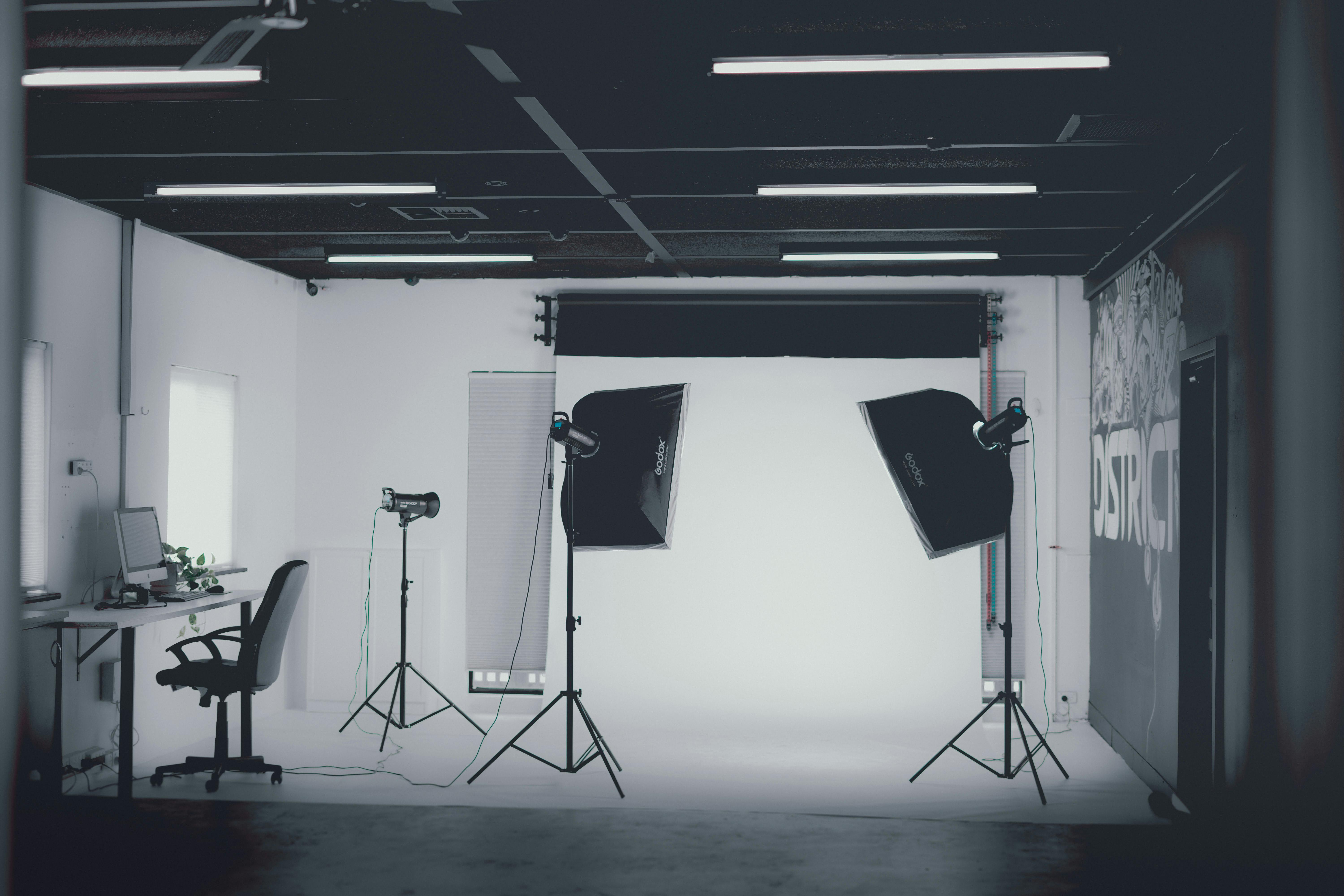
In today’s digital landscape, a dedicated content creation studio offers the tools, space, and expertise needed to transform ideas into compelling visual and auditory experiences. Whether the goal is to produce a short film, a podcast series, or a series of social-media graphics, the studio environment encourages experimentation, collaboration, and professional-grade output. This article explores the key components of a modern content creation studio, outlines best practices for maximizing its potential, and provides actionable insights for creators at every skill level.
Essential Features of a Modern Content Creation Studio
Understanding the core elements that define an effective studio helps creators select the right environment for their projects. The following features are typically considered indispensable:
- Acoustic Treatment: Proper sound-absorbing panels and isolation booths minimize echo and external noise, ensuring clean audio recordings.
- Lighting Control: Adjustable LED panels, softboxes, and blackout curtains allow precise manipulation of light temperature and intensity.
- High-Resolution Displays: Calibrated monitors provide accurate color representation for video editing and graphic design.
- Robust Connectivity: Gigabit Ethernet, multiple USB-C ports, and wireless options keep equipment and collaborators linked without bottlenecks.
- Versatile Workstations: Ergonomic furniture and modular setups support both solo work and group sessions.
For a deeper dive into the technical specifications that support these features, Read more about this topic.
Workflow Optimization in a Studio Setting
Pre-Production Planning
Successful content begins long before the camera rolls. Effective pre-production includes:
- Storyboarding or script outlining to visualize narrative flow.
- Location scouting, even when the “location” is a studio set.
- Equipment checklists to ensure all gear is functional and charged.
- Scheduling sessions to align with team availability and daylight cycles.
Guidelines for structuring a pre-production checklist can be found in a comprehensive guide; Learn more in this detailed guide.
Production Best Practices
During the actual creation phase, maintaining consistency and quality is paramount. Consider the following practices:
- Set up a dedicated “camera station” with calibrated lenses and stable tripods.
- Use a separate “audio booth” to capture dialogue or music without ambient interference.
- Implement a “lighting board” to record settings for each scene, facilitating quick replication.
- Adopt a naming convention for files (e.g., Project_Scene_Take) to streamline post-production.
For additional production tips, Explore further insights here.
Post-Production Efficiency
Editing, color grading, and sound mixing can become time-consuming without a structured approach. Optimize post-production by:
- Creating proxy files for high-resolution footage to speed up editing.
- Utilizing preset color-grade LUTs that match the lighting setup used on set.
- Applying batch audio processing to normalize levels across clips.
- Exporting final assets in multiple formats simultaneously using render queues.
Professional post-production workflows are discussed in depth on several industry resources; Find additional information here.
Creative Techniques to Elevate Your Content
Beyond technical proficiency, a studio provides a sandbox for artistic exploration. Here are several techniques that can add a distinctive flair to projects:
- Layered Visual Effects: Combine practical set pieces with digital overlays for a hybrid aesthetic.
- Dynamic Camera Movements: Use sliders, gimbals, or drone rigs (indoor-safe) to introduce motion that enhances storytelling.
- Ambient Soundscapes: Record environmental textures, such as distant traffic or rustling leaves, and blend them subtly into the mix.
- Interactive Elements: Incorporate QR codes or AR triggers within visual assets to engage viewers beyond the screen.
Examples of how these techniques integrate into a broader creative strategy are available for further reading; Read more about this topic.
Maintaining a Professional Environment
A studio’s success also depends on the culture and habits of its users. Maintaining professionalism ensures that resources are respected and that collaboration remains productive.
- Schedule regular equipment maintenance and cleaning.
- Document any changes to studio configuration for future reference.
- Adopt a “clean-as-you-go” policy to keep workspaces tidy.
- Encourage feedback loops after each project to identify areas for improvement.
Best practices for studio etiquette are outlined in several industry manuals; Learn more in this detailed guide.
Conclusion
Leveraging a content creation studio unlocks a blend of technical precision and artistic freedom that is difficult to achieve in ad-hoc environments. By understanding essential studio features, optimizing workflow stages, employing creative techniques, and fostering a disciplined atmosphere, creators can consistently produce high-quality, engaging content. The resources linked throughout this article provide further depth on each topic, supporting ongoing growth and experimentation.