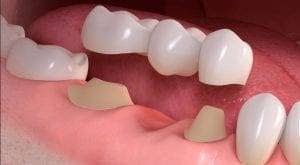
Advancements in technology have revolutionized many facets of healthcare, and dentistry is no exception. As the population ages and demands for more efficient dental solutions increase, innovations in dental implant technology stand at the forefront of modern dental care. These advancements promise not only to enhance the quality and durability of dental implants but also to improve the overall patient experience. Understanding these innovations provides insight into the future of dentistry and the transformative potential of these cutting-edge solutions.
Current Trends in Dental Implant Technology
In recent years, dental implant technologies have evolved significantly, offering patients more options and better outcomes. Some of the key trends driving these advancements include:
- 3D Printing: The use of 3D printing in dental implants allows for customized and precise implant fabrication. This technology enables dentists to create implants that fit perfectly with a patient’s unique dental anatomy.
- Digital Imaging: Advanced imaging techniques, such as cone beam computed tomography (CBCT), provide detailed insights into a patient”?s oral structure, leading to more accurate implant placement.
- Biocompatible Materials: The development of new materials that are more biocompatible reduces the risk of rejection and enhances the integration of implants with natural bone.
Benefits of Innovative Dental Implants
Innovations in dental implant technology offer numerous benefits that enhance both the efficiency of dental procedures and the quality of life for patients. Some of these benefits include:
- Improved Longevity: With the use of advanced materials and techniques, modern dental implants are designed to last longer, providing a more permanent solution for missing teeth.
- Enhanced Aesthetics: New implant designs and materials enable a more natural look, ensuring that implants blend seamlessly with existing teeth.
- Faster Recovery Times: Minimally invasive techniques and precise implant placement reduce healing times and post-operative discomfort.
Future Prospects in Dental Implant Technology
The future of dental implants looks promising with continued research and development driving further innovations. Some of the potential advancements on the horizon include:
Smart Implants
Smart implants equipped with sensors and other technological features are being developed to monitor oral health in real-time. These devices could provide valuable data on the implant’s integration and alert dentists to potential issues before they become problematic.
Nanotechnology
The application of nanotechnology in dental implants aims to enhance the surface properties of implants, promoting faster osseointegration and reducing the risk of infection. This approach could significantly improve the success rates of implant procedures.
Regenerative Techniques
Regenerative medicine is set to transform dental implantology by utilizing stem cells and growth factors to encourage bone regrowth. This technology holds promise for patients with insufficient bone density, previously considered unsuitable candidates for implants.
Conclusion
As the demand for effective and aesthetically pleasing dental solutions grows, the future of dental implant technology will continue to evolve. By embracing cutting-edge innovations, the field of dentistry will not only improve the patient experience but also set new standards for dental care globally. For those interested in the latest advancements, staying informed about dental implant technologies is essential to making informed decisions about oral health.