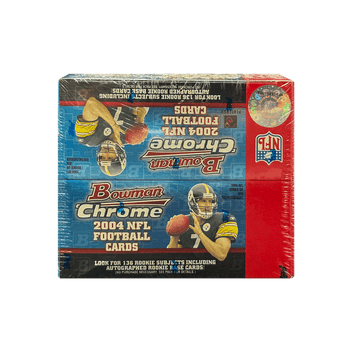
Collecting vintage trading cards is more than a hobby; it is a journey through sports history, art, and culture. Enthusiasts who seek authentic, well-preserved pieces often turn to specialized retailers that understand the nuances of grading, rarity, and market trends. This article explores the most sought-after vintage cards available at a leading sports memorabilia store, highlighting why they remain valuable and how collectors can make informed decisions when adding them to their portfolios.
Why Vintage Trading Cards Remain Highly Coveted
Vintage cards, typically produced before the 1990s, possess several attributes that keep them in high demand:
- Historical Significance: They capture moments before the digital age, often featuring original artwork and player signatures.
- Limited Production Runs: Many early sets were printed in relatively small quantities, creating natural scarcity.
- Condition Sensitivity: Cards that have survived decades in mint condition are exceptionally rare, driving up value.
- Collector Community: A robust network of experts and auction houses supports pricing transparency and authentication.
Top Vintage Card Categories to Explore
Baseball Classics
Baseball cards dominate the vintage market, with several iconic sets that define the hobby:
- Vintage Trading Cards from the 1909-1911 T206 series, especially the Honus Wagner “Genuine” card, often fetch millions at auction.
- 1933 Goudey cards, notable for their intricate designs and the inclusion of legends like Babe Ruth and Lou Gehrig.
- 1952 Topps, the year that introduced the modern baseball card format and featured a young Mickey Mantle in pristine condition.
Basketball Legends
Early basketball cards are prized for their rarity and the rise of the sport’s global popularity:
- 1979-80 Fleer rookie cards of Magic Johnson and Larry Bird, marking the start of the modern NBA card era.
- 1986-87 Fleer Michael Jordan rookie card, often considered the most valuable basketball card ever produced.
- 1992-93 Upper Deck “MVP” set, which introduced holographic technology and featured a young Shaquille O’Neal.
Football Heritage
Football cards from the 1950s and 1960s are especially coveted for their bold artwork and limited runs:
- 1958 Topps set, highlighted by the iconic Jim Brown rookie card.
- 1965 Topps “Joe Namath” card, a cultural touchstone of the era.
- 1975 Topps “Joe Montana” rookie, a cornerstone for modern collectors.
How to Assess Card Condition and Authenticity
Evaluating a vintage card requires a systematic approach. Below are key factors to consider before finalizing a purchase:
- Centering: Measure the borders; a well-centered card typically scores higher on grading scales.
- Surface Quality: Look for scratches, stains, or creases. Even minor imperfections can affect value dramatically.
- Print Quality: Verify that colors are sharp and that there are no misprints or double-printing errors.
- Signature Verification: Autographed cards should be accompanied by a certificate of authenticity from a reputable third-party service.
- Grading Services: Cards graded by PSA, Beckett, or SGC carry higher market confidence.
Where to Find Trusted Vintage Selections
For collectors seeking reliable inventory, an established Sports Memorabilia Store provides a curated selection of vintage cards that have undergone rigorous verification. The store’s online platform offers detailed photographs, grading reports, and transparent pricing, making it a convenient destination for both seasoned collectors and newcomers.
Buying Tips for First-Time Vintage Collectors
- Set a Budget: Determine a realistic spending limit, keeping in mind that vintage cards can appreciate rapidly.
- Research Market Trends: Use resources like auction results and price guides to gauge current values.
- Start with Recognizable Players: Cards featuring Hall-of-Fame athletes tend to retain value better than obscure players.
- Consider Graded vs. Ungraded: Graded cards provide instant credibility, while ungraded cards may offer a discount if you’re willing to submit them for grading later.
- Buy from Reputable Sources: An established Online Sports Card Store reduces the risk of counterfeit items.
Preserving Your Vintage Collection
Proper storage is essential to maintain condition and value. Follow these best practices:
- Use acid-free sleeves and top loaders for individual cards.
- Store cards in a climate-controlled environment, avoiding extreme temperature fluctuations.
- Handle cards with clean, lint-free gloves to prevent oils from skin transferring to the surface.
- Consider a safe or safety deposit box for high-value pieces.
Conclusion
Exploring the best vintage trading cards at a reputable Trading Card Store opens a window into sports history while offering a tangible asset that can appreciate over time. By understanding the significance of each era, evaluating condition with a critical eye, and purchasing from trusted sources, collectors can build a portfolio that reflects both passion and sound investment strategy.