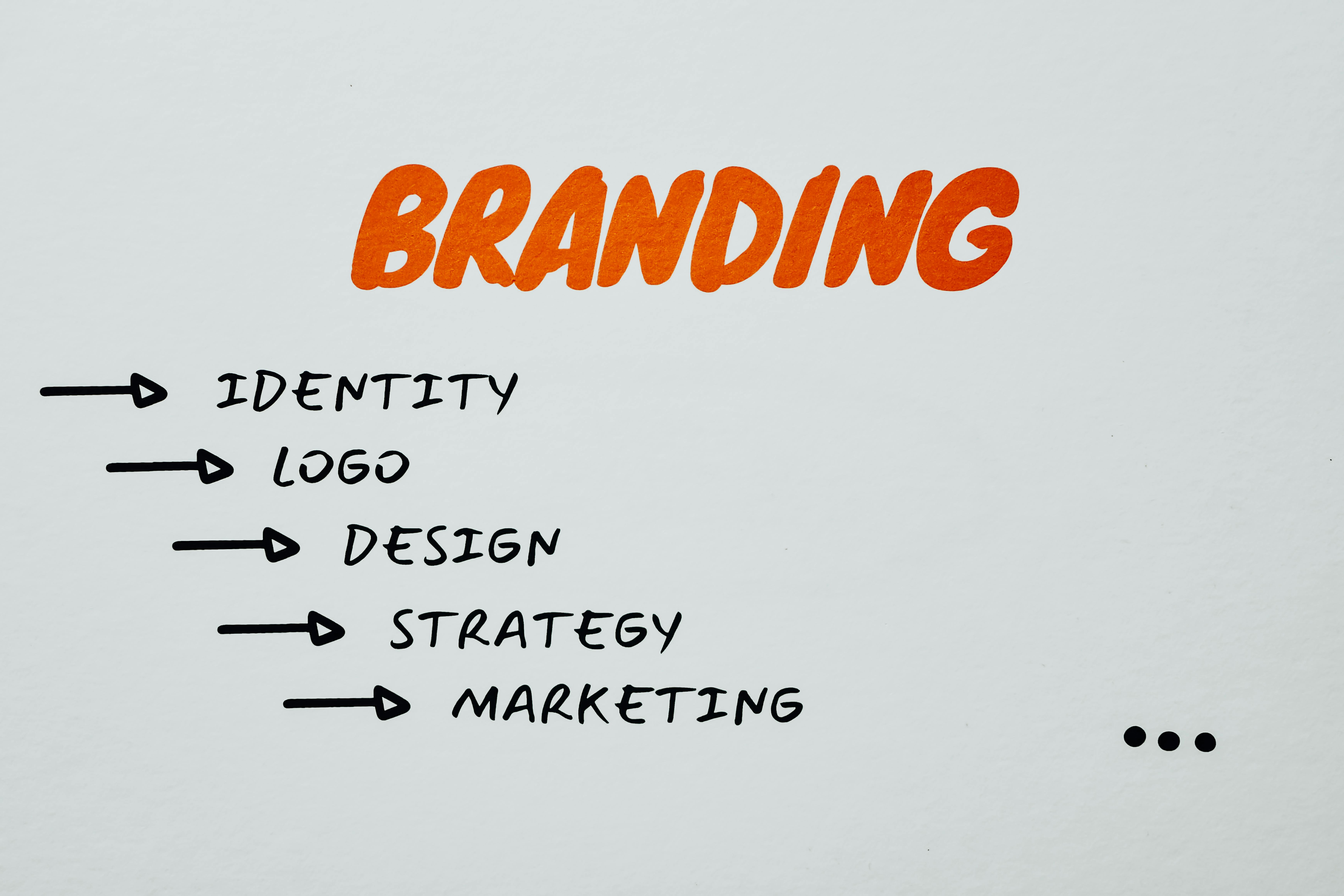
In today’s digital marketplace, a well-crafted website is more than a virtual business card, it is a strategic asset that can determine market position, user engagement, and conversion rates. Professional website design services blend aesthetics, functionality, and technology to create experiences that not only attract visitors but also guide them toward meaningful actions. By focusing on usability, brand consistency, and performance, businesses can secure a competitive edge that translates into measurable growth.
Key Elements of Effective Website Design
Visual Identity and Branding
- Consistent color palettes and typography reinforce brand recognition.
- High-quality imagery and graphics convey professionalism and trust.
- Responsive layouts ensure visual integrity across devices.
Usability and User Experience (UX)
- Intuitive navigation reduces bounce rates and improves session duration.
- Clear calls-to-action (CTAs) guide users toward desired outcomes.
- Accessible design meets diverse user needs and complies with legal standards.
Technical Foundations
- Fast loading times enhance both user satisfaction and SEO performance.
- Clean, semantic HTML and CSS improve maintainability and scalability.
- Secure hosting and regular updates protect against vulnerabilities.
For a deeper dive into how these components interrelate, Read more about this topic.
Strategic Planning Before Design Begins
Successful website projects start with a comprehensive strategy that aligns design decisions with business objectives. This phase typically includes:
- Stakeholder interviews to capture goals and target audience insights.
- Competitor analysis to identify opportunities for differentiation.
- Content audits that inform information architecture and SEO tactics.
By establishing clear metrics, such as conversion rates, average session duration, and lead generation, design teams can measure impact and iterate effectively.
Design Process: From Wireframes to High-Fidelity Mockups
The design workflow progresses through several stages, each adding layers of detail and refinement:
- Wireframing: Low-fidelity sketches map layout, hierarchy, and functional elements.
- Prototyping: Interactive models simulate user flows and allow early usability testing.
- Visual Design: High-fidelity mockups incorporate brand assets, typography, and color schemes.
- Responsive Adaptation: Designs are adjusted for mobile, tablet, and desktop breakpoints.
During this process, collaboration tools and stakeholder feedback loops ensure the final design aligns with expectations before development begins.
Development Best Practices for Competitive Performance
Translating design into code requires adherence to standards that support speed, security, and search visibility:
- Utilize modern frameworks (e.g., React, Vue) for modular, reusable components.
- Implement lazy loading for images and assets to reduce initial page load.
- Apply structured data markup to enhance search engine results.
- Conduct cross-browser testing to guarantee consistent experiences.
Continuous integration and automated testing further reduce errors and accelerate deployment cycles.
Ongoing Optimization and Maintenance
A website is a living entity that benefits from regular updates and performance reviews. Key activities include:
- Analyzing user behavior with analytics tools to identify friction points.
- Updating content to reflect current offerings, industry trends, and SEO best practices.
- Performing security audits and applying patches promptly.
- Testing new features through A/B experiments to refine conversion pathways.
For practical guidelines on maintaining a high-performing site, Explore further insights here.
Measuring Success: Metrics That Matter
Quantifying the impact of website design involves tracking both quantitative and qualitative indicators:
- Conversion Rate: Percentage of visitors completing a desired action.
- Engagement Metrics: Time on page, scroll depth, and interaction counts.
- Technical Metrics: PageSpeed Insights scores, Core Web Vitals, and server response times.
- User Feedback: Surveys and usability testing results provide contextual insights.
Regular reporting against these metrics enables data-driven decisions and continuous improvement.
Future-Proofing Through Emerging Technologies
Staying ahead of the curve involves integrating innovations that enhance user experience and operational efficiency:
- Artificial intelligence for personalized content recommendations.
- Progressive Web Apps (PWAs) that combine web reach with native-app performance.
- Voice-search optimization to capture growing conversational queries.
- WebAssembly for high-performance interactive features.
Adopting these technologies early can differentiate a brand and attract tech-savvy audiences. For a comprehensive overview of upcoming trends, Learn more in this detailed guide.
Conclusion
Investing in expert website design services equips businesses with a robust digital foundation that drives engagement, conversions, and long-term growth. By emphasizing visual coherence, user-centered design, technical excellence, and continuous optimization, organizations can secure a sustainable competitive advantage in an increasingly crowded online landscape.