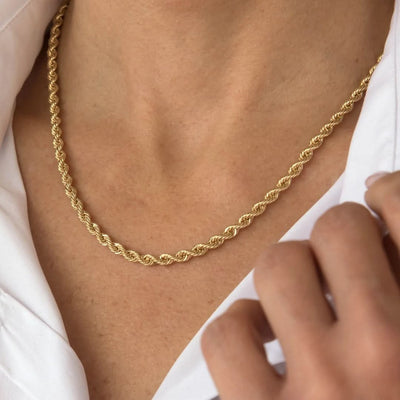
Jewelry that maintains its brilliance without the constant worry of tarnish is a hallmark of true craftsmanship. For those who cherish timeless pieces, understanding how to select, care for, and preserve metal jewelry can mean the difference between a fleeting sparkle and a lasting legacy of shine. This article explores the science behind tarnish, the materials that resist it, and practical maintenance routines that ensure every piece remains as radiant as the day it was first worn.
Understanding Tarnish: The Chemistry Behind the Dullness
Tarnish is a thin layer of corrosion that forms when metal reacts with elements in the environment, such as sulfur, oxygen, and moisture. While it is a natural process, certain metals and alloys are more susceptible than others.
- Silver: Reacts quickly with sulfur compounds, leading to a blackish film.
- Copper: Develops a green patina (verdigris) when exposed to moisture and air.
- Gold: Pure gold (24K) is highly resistant, but lower karat alloys can tarnish due to the presence of other metals.
- Stainless steel & platinum: Exhibit excellent resistance to oxidation and corrosion.
Materials That Offer Tarnish-Free Performance
Choosing the right material is the first line of defense against discoloration. Below are the most reliable options for lifelong shine.
High-Karate Gold Alloys
Gold alloys with a higher karat rating (18K and above) contain a larger proportion of pure gold, reducing the amount of reactive base metals. These pieces maintain their luster with minimal upkeep.
Stainless Steel
Composed primarily of iron, chromium, and nickel, stainless steel forms a protective chromium oxide layer that prevents further oxidation. Its durability makes it ideal for everyday wear.
Platinum
Platinum’s dense, inert nature means it does not react with sulfur or oxygen under normal conditions. Although more expensive, its durability and natural resistance to tarnish justify the investment for heirloom pieces.
Gold-Filled and Gold-Vermeil
These techniques bond a thick layer of gold to a base metal (often copper or brass). While not as pure as solid gold, the substantial gold coating offers a tarnish-resistant surface when properly cared for.
Design Strategies That Minimize Tarnish
Beyond material choice, thoughtful design can reduce the exposure of vulnerable areas to environmental factors.
- Encapsulating reactive metals within a protective gold or rhodium plating.
- Using sealed settings for gemstones to limit air circulation.
- Incorporating smooth, rounded surfaces that are easier to clean.
Daily Care Routine for Lasting Shine
Even the most resistant metals benefit from consistent care. Follow these steps to keep jewelry looking pristine.
Cleaning
- Use a soft, lint-free cloth to gently wipe away oils after each wear.
- For deeper cleaning, soak pieces in warm, soapy water for a few minutes, then brush with a soft toothbrush.
- Rinse thoroughly and pat dry with a microfiber towel.
Storage
- Store jewelry in a dry, airtight container or a zip-lock bag to limit exposure to humidity.
- Separate pieces with soft pouches to prevent scratching.
- Avoid storing near chemicals, such as perfumes or cleaning agents.
Professional Maintenance
Periodically schedule a professional polishing or rhodium plating service, especially for silver or gold-filled items. This not only restores shine but also renews protective layers.
Choosing Tarnish-Resistant Pieces Online
When shopping for jewelry, look for detailed product descriptions that specify metal purity, plating thickness, and any anti-tarnish treatments. Reputable retailers often provide certifications or guarantees regarding material quality.
For a curated selection of high-quality, tarnish-free options, Explore advanced guides and tips on material science and care practices directly from industry experts.
Environmental Factors to Consider
Even the best materials can be affected by external conditions. Awareness of these factors helps in making informed choices.
- Humidity: Moist environments accelerate oxidation; using a dehumidifier in storage areas can be beneficial.
- Air Quality: Pollutants and sulfur-rich gases (common in urban settings) increase tarnish risk.
- Skin Chemistry: Some individuals’ sweat contains higher levels of acids that can affect metal surfaces.
Conclusion: Investing in Timeless Brilliance
Achieving a lifetime of shine is less about occasional miracles and more about informed decisions, from selecting high-karat gold or platinum to implementing a disciplined care routine. By understanding the science of tarnish, opting for resilient materials, and following best-practice maintenance, jewelry can remain a radiant testament to personal style for generations.
For further reading on preserving metal jewelry, Discover expert strategies here, and to explore specific product lines designed with durability in mind, Find out more about this approach.