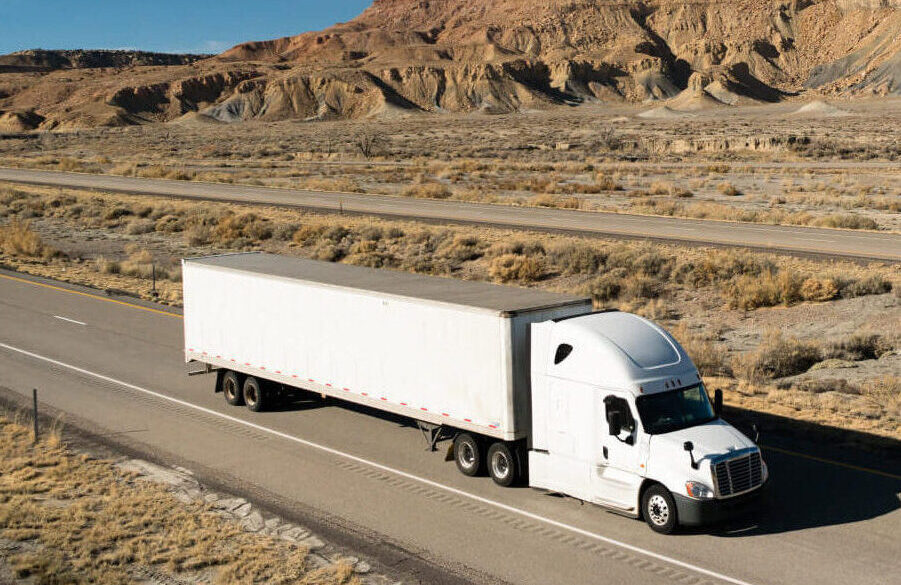
In the fast-moving logistics landscape of Atlanta, expanding a trailer fleet without tying up capital can be a decisive competitive advantage. Rent-to-own programs provide a flexible pathway that blends the immediate availability of assets with the long-term benefits of ownership. By leveraging these arrangements, businesses can scale operations, manage cash flow more efficiently, and adapt to seasonal demand spikes, all while preserving the ability to eventually own the equipment outright.
How Rent-to-Own Works for Trailer Fleets
The rent-to-own model functions as a hybrid between traditional leasing and outright purchase. A monthly payment is made for the use of a trailer, with a portion of each payment applied toward the eventual purchase price. After a predetermined term, often ranging from 12 to 36 months, the renter has the option to buy the trailer for a nominal residual amount, walk away, or renew the agreement.
Key Benefits
- Zero upfront capital: No large down-payment is required, freeing cash for other operational needs.
- Predictable budgeting: Fixed monthly payments simplify financial planning and reduce surprise expenses.
- Asset accumulation: Each payment builds equity, turning a rental expense into a future ownership investment.
- Flexibility: Contracts can be tailored to match fleet size, trailer type, and usage patterns.
Choosing the Right Trailer Type for Atlanta’s Market
Atlanta’s diverse freight demands, from refrigerated goods to flat-bed construction materials, require a thoughtful selection of trailer specifications. Understanding the most common configurations helps ensure the rented units align with business needs.
- Dry Van Trailers: Ideal for general cargo, offering protection from weather and theft.
- Reefer Trailers: Essential for temperature-sensitive products such as pharmaceuticals and perishable foods.
- Flat-Bed Trailers: Suited for oversized or irregular loads, common in construction and equipment transport.
- Step-Deck (Drop-Deck) Trailers: Provide extra height clearance for tall cargo while maintaining a lower overall profile.
For a deeper dive into selecting the optimal trailer mix, Discover expert strategies here.
Financial Considerations and Tax Implications
Rent-to-own arrangements affect the balance sheet differently than outright purchases or straight leases. Understanding these nuances can improve tax efficiency and overall profitability.
Accounting Treatment
- Payments are typically recorded as operating expenses during the rental period.
- When the purchase option is exercised, the trailer is capitalized, and depreciation begins.
- Interest components of the payment may be deductible, depending on jurisdiction.
Tax Benefits
- Section 179 expensing may apply once ownership is transferred, allowing immediate deduction of a portion of the trailer’s value.
- Bonus depreciation can accelerate tax relief for newer equipment.
- State-specific incentives for eco-friendly or fuel-efficient trailers may further reduce costs.
For guidance on navigating these financial aspects, Learn about our tailored solutions.
Operational Strategies to Maximize ROI
Securing the right trailer is only half the equation; effective utilization drives the return on investment. Consider the following tactics to ensure the fleet operates at peak efficiency.
- Route Optimization: Use telematics and routing software to minimize deadhead miles.
- Maintenance Scheduling: Align preventative maintenance with low-utilization periods to avoid downtime.
- Load Consolidation: Combine shipments when possible to increase trailer fill rates.
- Seasonal Scaling: Adjust the number of active trailers during peak seasons without committing to permanent assets.
Practical tips on implementing these strategies can be found by Explore advanced guides and tips.
Risk Management and Insurance Considerations
Rent-to-own contracts often include clauses that address liability, insurance coverage, and wear-and-tear responsibilities. Properly structuring these elements protects both the renter and the equipment provider.
- Maintain comprehensive physical damage coverage that meets or exceeds the trailer’s replacement value.
- Include liability insurance that complies with federal and state transportation regulations.
- Negotiate clear terms for routine wear versus excess damage to avoid unexpected charges at the end of the term.
For a checklist of essential insurance requirements, Find out more about this approach.
Steps to Initiate a Rent-to-Own Program in Atlanta
- Assess Fleet Needs: Conduct a volume analysis to determine the number and type of trailers required.
- Select a Provider: Look for partners with a strong local presence, flexible terms, and a reputation for reliable service.
- Review Contract Terms: Pay close attention to payment schedules, purchase options, and early-termination clauses.
- Integrate with Existing Systems: Ensure the new trailers can be tracked within current fleet management software.
- Monitor Performance: Track utilization, cost per mile, and maintenance metrics to gauge program success.
Conclusion
Rent-to-own trailer solutions empower Atlanta-based logistics firms to expand capacity without the burden of large upfront expenditures. By carefully selecting trailer types, understanding financial and tax implications, and applying disciplined operational practices, businesses can transform rental payments into a strategic investment that culminates in full ownership. The flexibility of this model aligns with the dynamic nature of the regional market, offering a pragmatic path to growth while preserving financial agility.