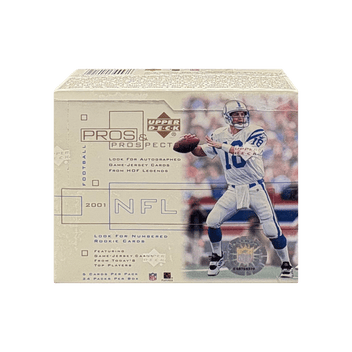
Investing in vintage trading cards has evolved from a nostalgic hobby into a sophisticated asset class. Collectors and investors alike recognize that these pieces of sports history carry cultural significance, rarity, and the potential for substantial financial returns. By understanding market dynamics, authentication processes, and long-term trends, enthusiasts can make informed decisions that preserve legacy while building wealth. This guide explores why vintage trading cards are worthy of attention, how to evaluate them, and where to source authentic pieces through a reputable Sports Memorabilia Store.
Why Vintage Trading Cards Hold Value
Several factors converge to create enduring value in vintage cards:
- Scarcity: Early print runs were limited, and many cards were lost or damaged over time, making surviving examples rare.
- Historical Significance: Cards capture iconic moments and athletes who shaped the sport’s narrative.
- Condition Grading: Professional grading services assign numerical grades that directly influence market price.
- Collector Demand: A passionate global community drives consistent demand, especially for iconic sets like 1952 Topps or 1986 Fleer.
Key Considerations When Evaluating Cards
Authentication and Grading
Before committing capital, ensure the card has been authenticated by a recognized third-party service such as PSA, Beckett, or SGC. A high grade (e.g., PSA 9 or 10) dramatically increases marketability and resale potential.
Provenance and Documentation
Clear ownership history adds credibility. Documentation may include original packaging, purchase receipts, or previous grading reports. Provenance reduces the risk of counterfeit items, a concern that persists in the market.
Market Trends and Pricing Data
Utilize price guides, auction results, and online marketplaces to gauge current valuation. Tracking recent sales of comparable cards provides a realistic benchmark for both buying and selling.
Strategic Ways to Build a Vintage Card Portfolio
- Focus on Hall of Famers: Cards featuring players inducted into the Hall of Fame tend to appreciate steadily.
- Diversify Across Eras: Include cards from different decades to balance risk and capitalize on varying collector interests.
- Target Iconic Sets: Complete or near-complete sets, especially those with low-numbered cards, often command premium prices.
- Monitor Emerging Trends: New grading standards or shifts in collector sentiment can create short-term opportunities.
Where to Source Authentic Vintage Cards
Acquiring high-quality cards requires a reliable source. An established Trading Card Store offers several advantages:
- Expert staff familiar with grading nuances and market fluctuations.
- Access to a curated inventory that includes rare, high-grade items.
- Secure purchasing platforms that protect against fraud.
For those preferring digital convenience, an Online Sports Card Store provides detailed listings, high-resolution images, and transparent grading information, allowing collectors to evaluate options from anywhere.
Preservation Best Practices
Maintaining card condition is essential for preserving value. Follow these guidelines:
- Store cards in a climate-controlled environment (temperature 65-70??F, humidity 30-40%).
- Use archival-quality sleeves, top loaders, or magnetic cases to protect surfaces.
- Avoid exposure to direct sunlight, which can cause fading and warping.
- Handle cards with clean, dry hands or nitrile gloves to prevent oils from damaging the surface.
Future Outlook for Vintage Trading Cards
Analysts predict continued growth in the vintage card market, driven by several trends:
- Generational Shifts: Younger collectors entering the market bring fresh capital and digital savvy.
- Integration with NFTs: Hybrid physical-digital products are emerging, offering new avenues for provenance verification.
- Global Expansion: Increased interest in international sports expands the pool of potential buyers.
These dynamics suggest that well-selected vintage cards will remain a resilient and potentially lucrative component of a diversified investment strategy.
Conclusion
Investing in vintage trading cards merges passion for sports history with disciplined asset management. By focusing on authenticity, condition, and market intelligence, collectors can acquire pieces that not only celebrate legendary athletes but also appreciate over time. Leveraging reputable sources such as a trusted Sports Card Store ensures access to quality inventory, while proper preservation safeguards long-term value. As the market evolves, informed investors will find that vintage cards continue to offer both emotional and financial rewards.